

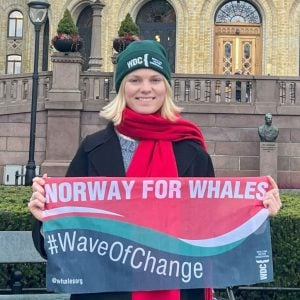
'Hi, I’m Lottie, and I’m passionate about saving whales in my home country. We created this toolkit to equip you with the resources, knowledge, and strategies you need to help end the world’s deadliest whale hunts. These tools will empower you to challenge the myths and support the growing movement of people working to create a Norway that celebrates whales. Activists worldwide have helped stop whaling in their countries, you can too.'
Lottie Pearson, Stop Whaling Campaigner, Whale and Dolphin Conservation
Knowledge is power
By familiarising yourself with the facts, you can raise awareness of Norway’s whaling and nurture a #WaveOfChange – a growing movement of people who want to end the hunts.
Set the record straight
Many false claims are used to justify whaling in Norway. That’s why we’ve teamed up with Icelandic-Norwegian author, artist and illustrator, Rán Flygenring to debunk the myths. By knowing the truth, you can confidently challenge misinformation, change hearts and minds, and help end whaling.
Hover over the images to reveal more.
Contrary to what some people believe ...
... whales don't eat all the fish
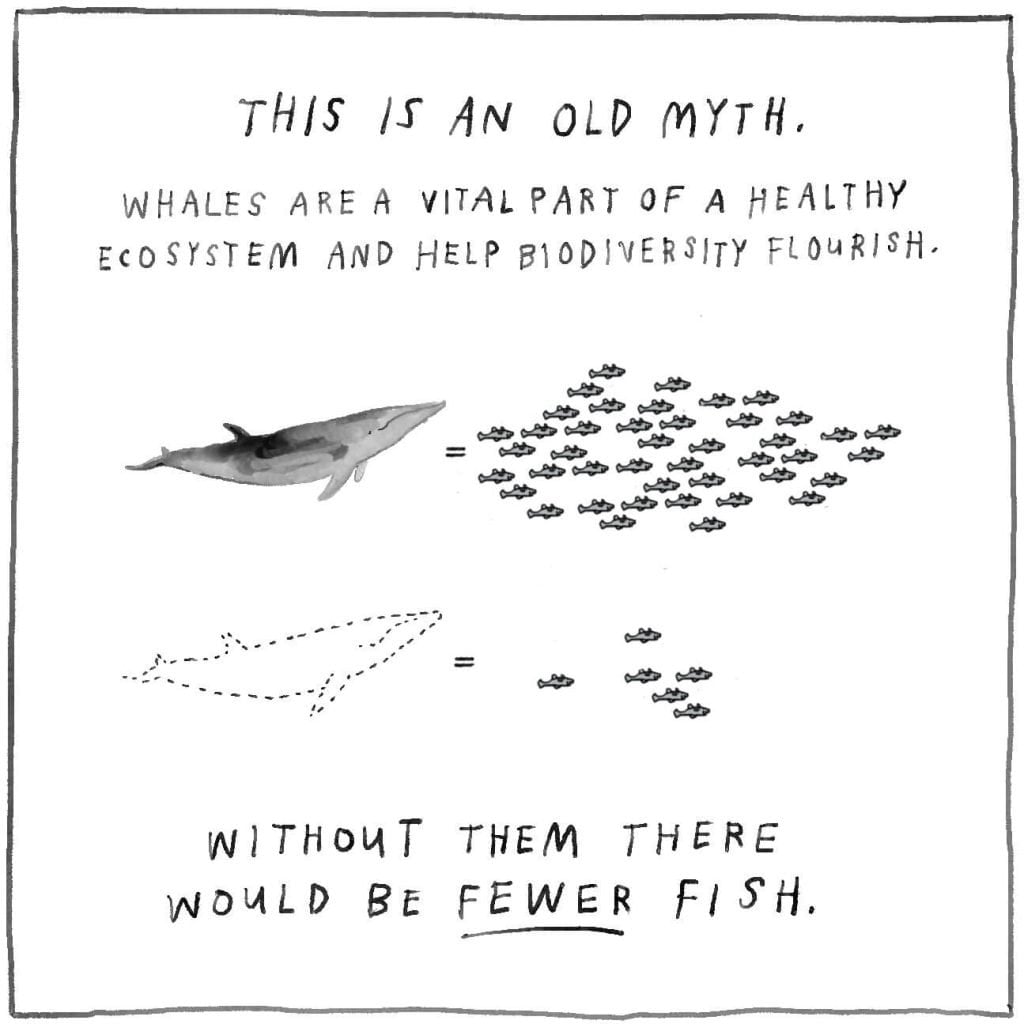
The claim that whales must be killed because they eat too many fish is just ridiculous. More whales means a healthier ocean and more fish, not fewer.
... whale meat is not healthy
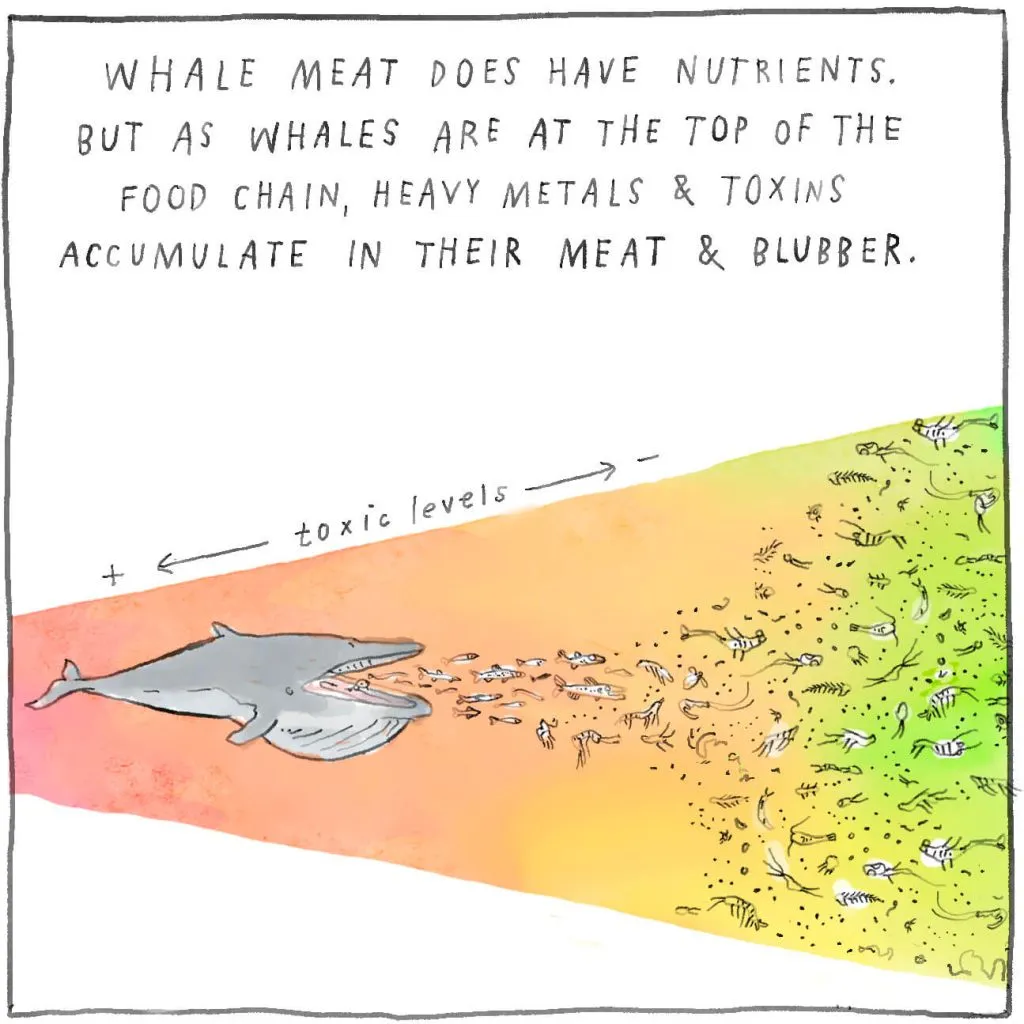
Whales and dolphins are particularly vulnerable to the harmful effects of chemical pollution.
... whale meat is not safe to eat
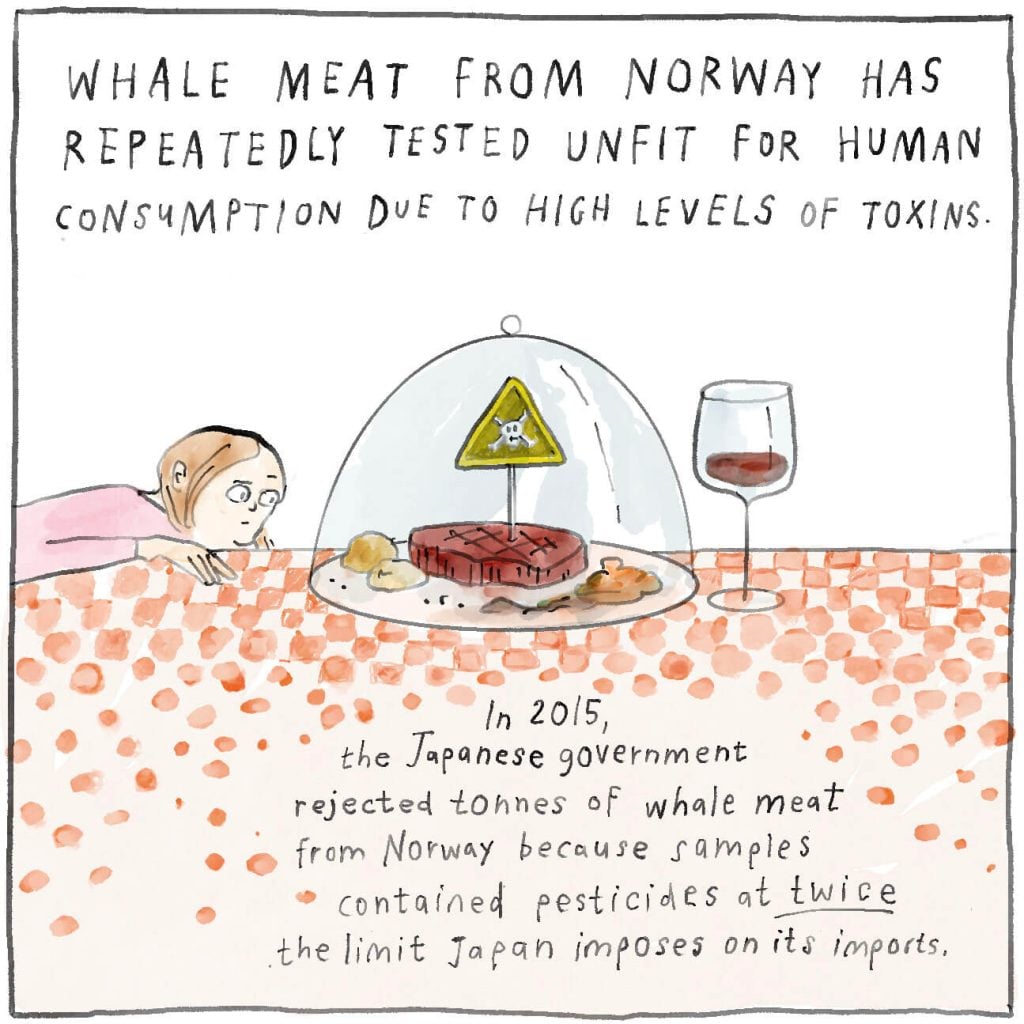
Tests of blubber from minke whales from the North Atlantic have revealed dangerous levels of PCBs and pesticides.
... whale meat is not a local food source

Minke whales are migratory and only visit Norwegian waters to feed. They do not belong to Norway and are most certainly not ‘local’.
What some people don't realise is...
... there's hardly any demand for whale meat
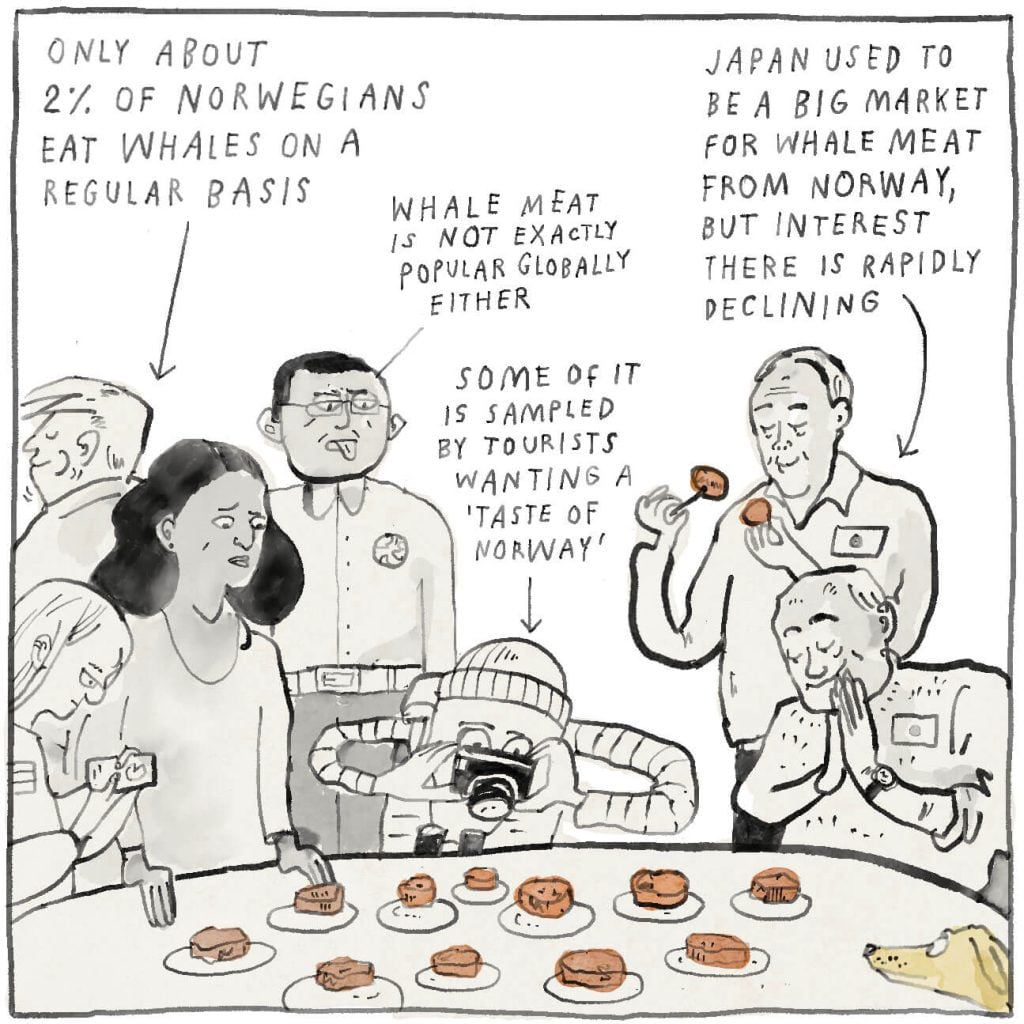
Our 2021 poll, with NOAH, Norway’s largest animal protection NGO, and the Animal Welfare Institute (AWI), found that only 2% of Norwegians regularly eat whale meat - just 1% of women and nobody under the age of 35.
... the hunts are unregulated

However, Norwegian whalers defy the global whaling ban, setting their own kill-quotas using a method rejected by many countries and scientists. The government has eased whaling regulations, allowing more ships to hunt with minimal supervision. The last monitoring system, electric ‘blue boxes’, was scrapped in 2023, leaving whaling vessels unmonitored.
... the modern hunts are unethical and inhumane

Pro-whalers will tell you that whaling is no more cruel than killing cows or pigs or shooting wild animals such as deer for food.
... whales suffer long and agonising deaths
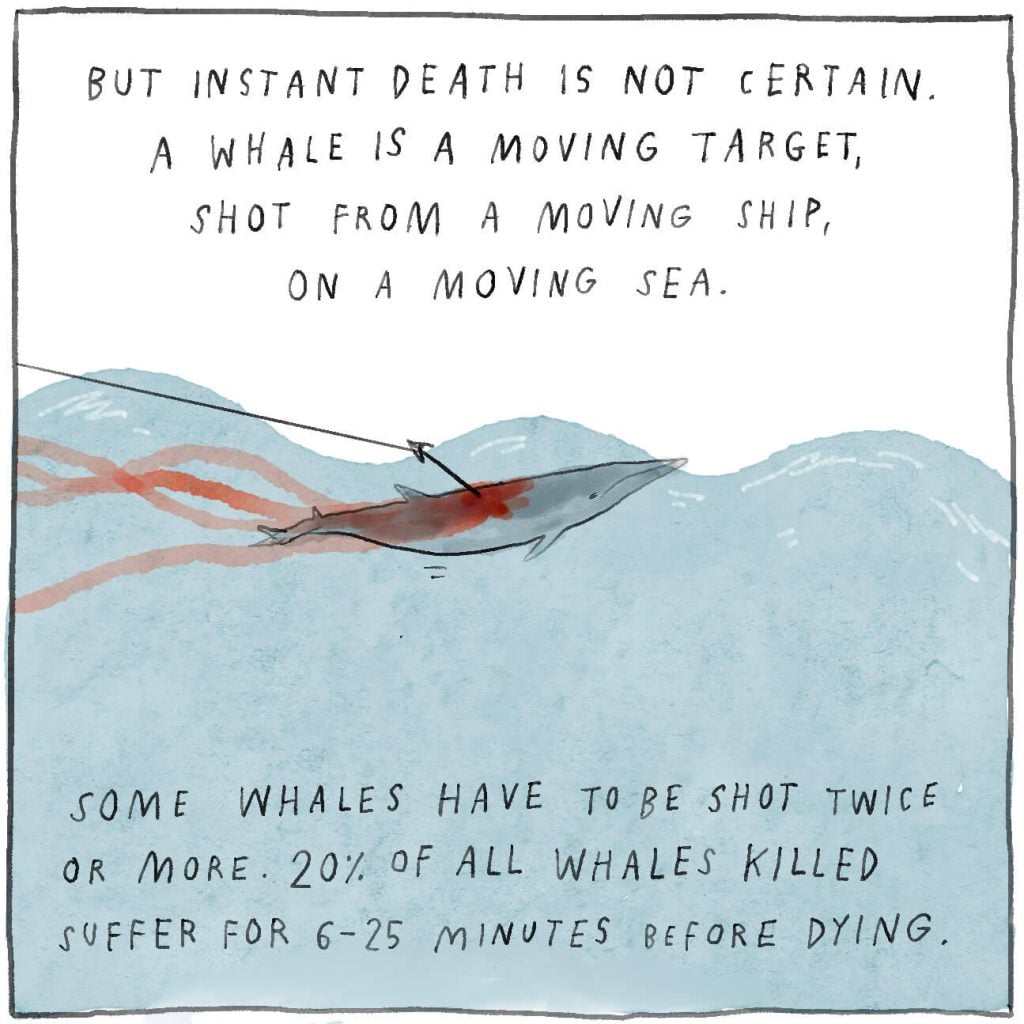
Taking this long to die, not to mention the exploded metal inside the body, would be unacceptable for terrestrial hunts or for animals in a slaughterhouse where there are strict regulations. Ironically, Norway, one of the first European countries to require stunning before slaughter, denies whales the same protection.
The truth is...
... we need more whales in the ocean, not fewer
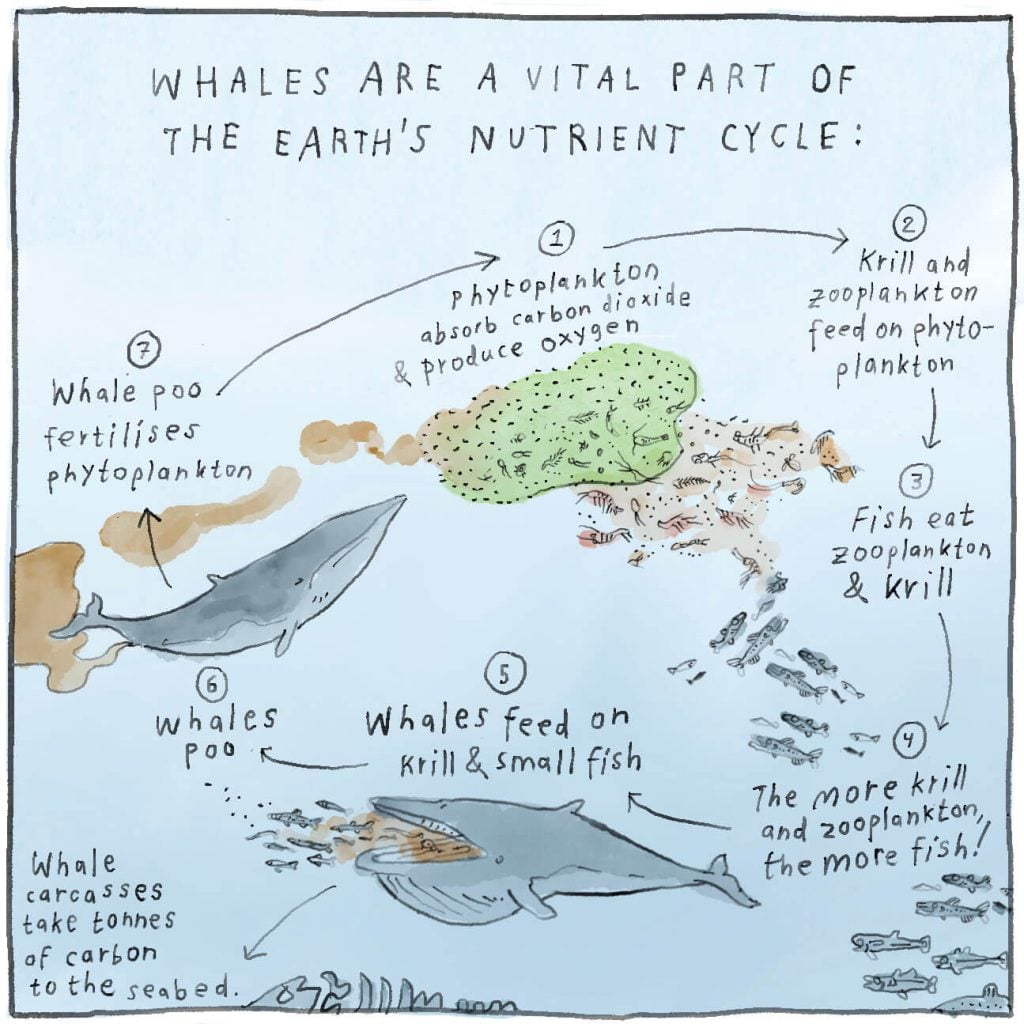
Whalers claim that eating whale meat is an environmentally friendly alternative to the large amount of climate-damaging methane that is produced, for example, in beef production. But, this fails to recognise that whales are an essential part of ocean ecosystems. A healthy planet needs a healthy ocean, and that means more whales, not fewer.
... whaling is ecocide
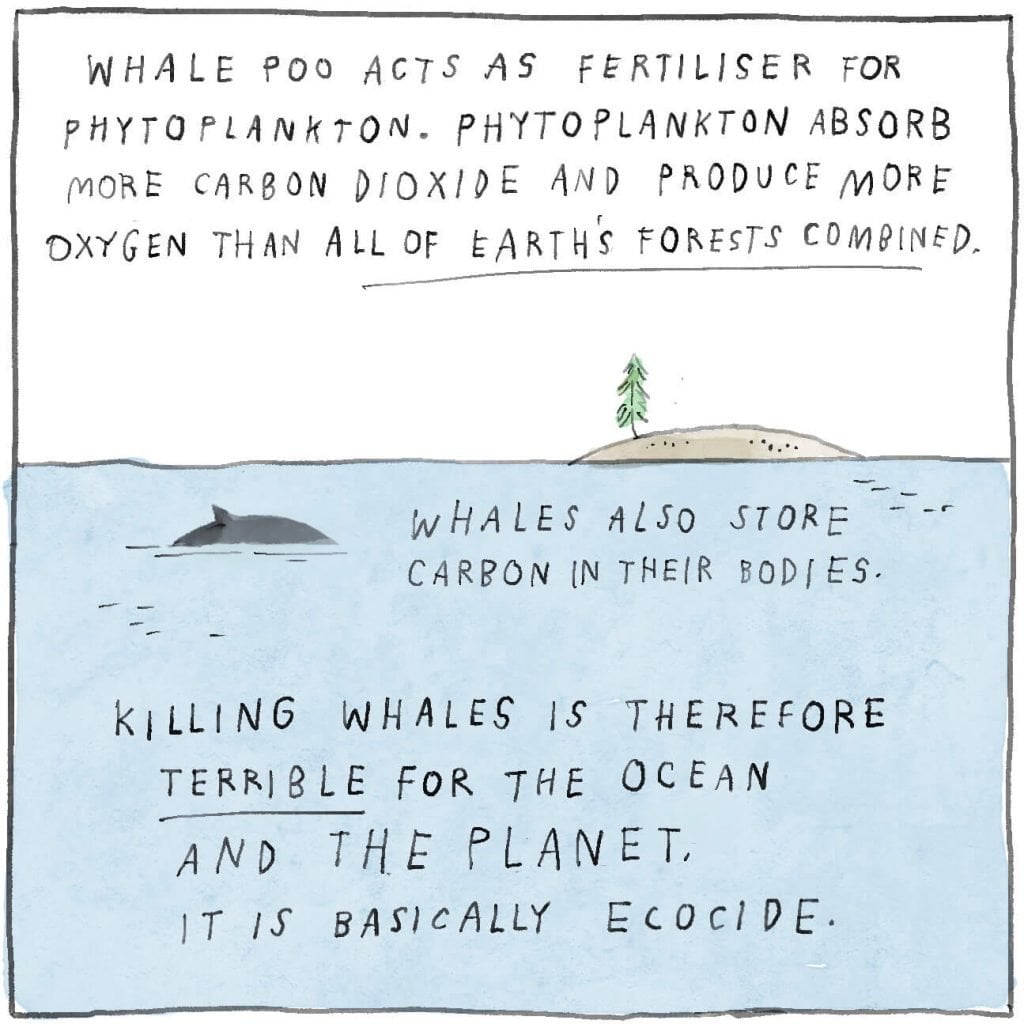
Phytoplankton is an important source of food for small marine life and fish, so whales help maintain healthy fish populations. To save the planet, we need to retore the ocean and to do that we need whales back in their original numbers. Nothing about whaling is environmentally friendly – it’s the exact opposite.
... hunting whales is not sustainable
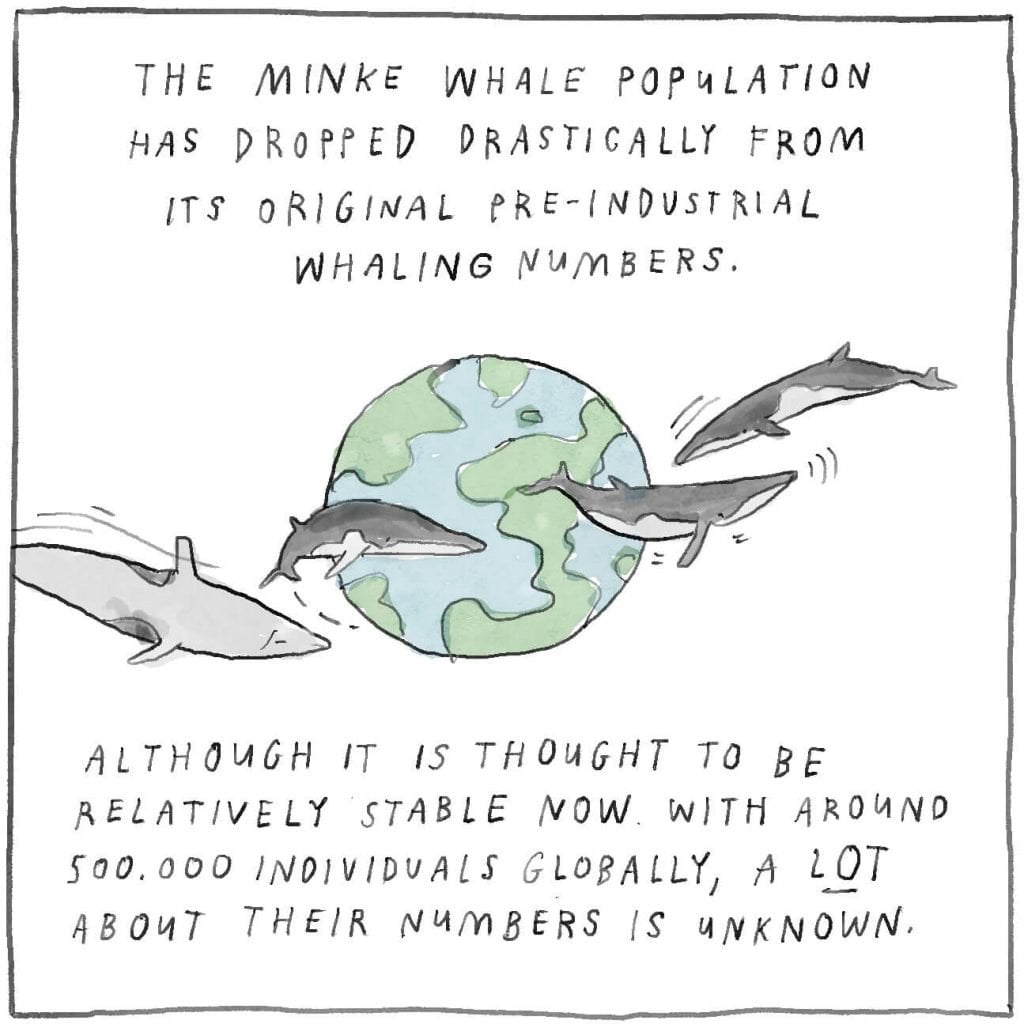
For many years, scientists have expressed concern about the ‘sustainability’ of Norwegian whaling. Norway uses its own method of calculating numbers, which allows for more kills than many scientists at the International Whaling Commission say would be ‘sustainable’.
... minke whales face many other threats as well
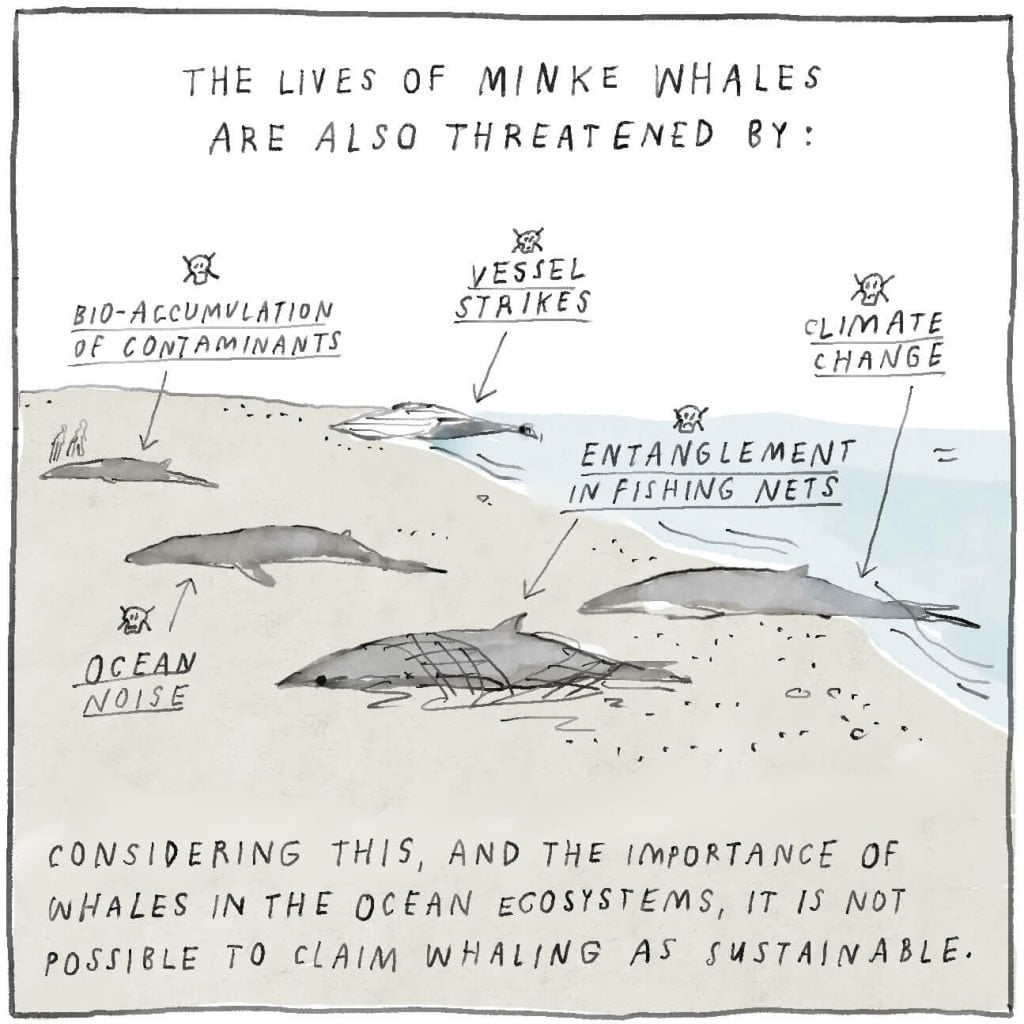
Although most minke whale populations are not classified as ‘endangered’, there are large gaps in research into their migrations and lives. Whale researchers have expressed major concerns about the apparent decline in minke whale numbers around Norway.
... most whales killed are pregnant
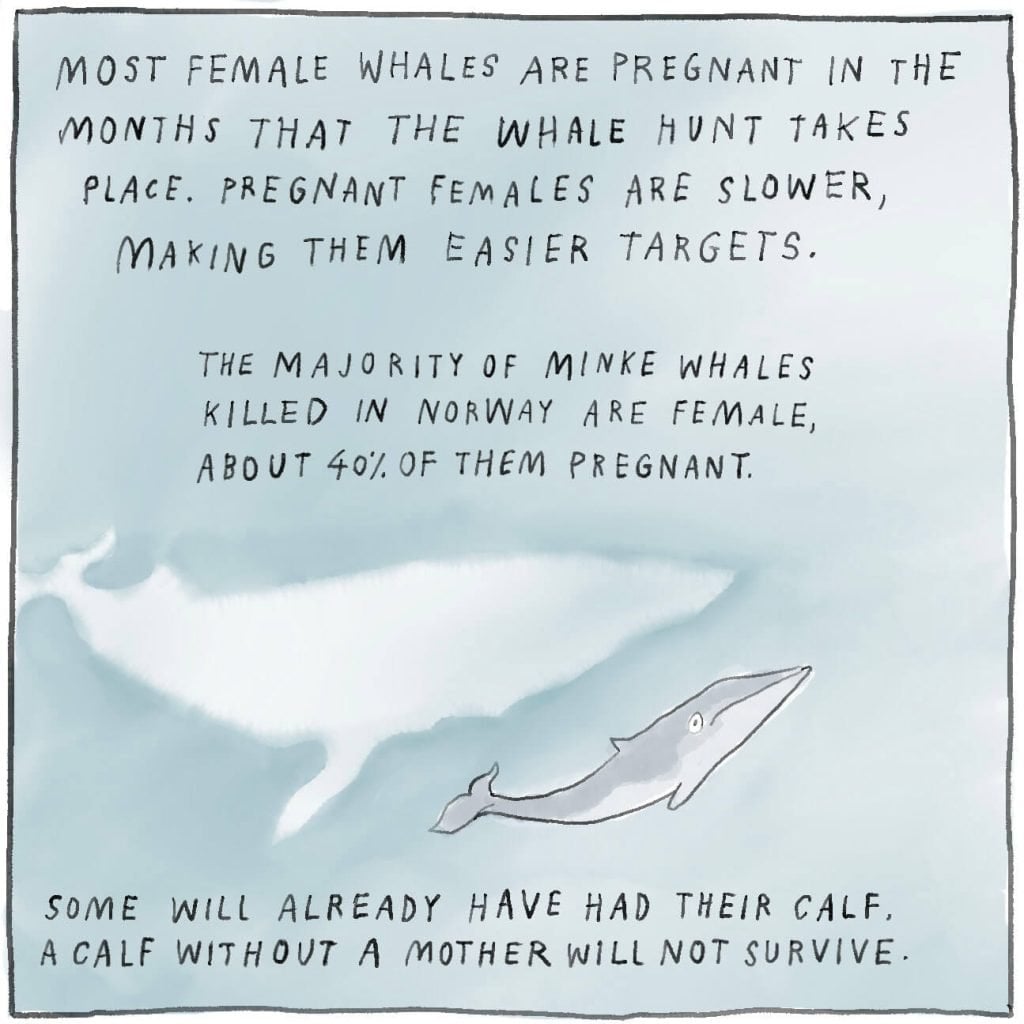
Whalers know pregnant whales travel more slowly and often stick closer to shore, so they present an easy target. An unborn calf will die alongside their mother, threatening their population's reproductive capabilities and genetic diversity.
... there's hardly any demand for whale meat
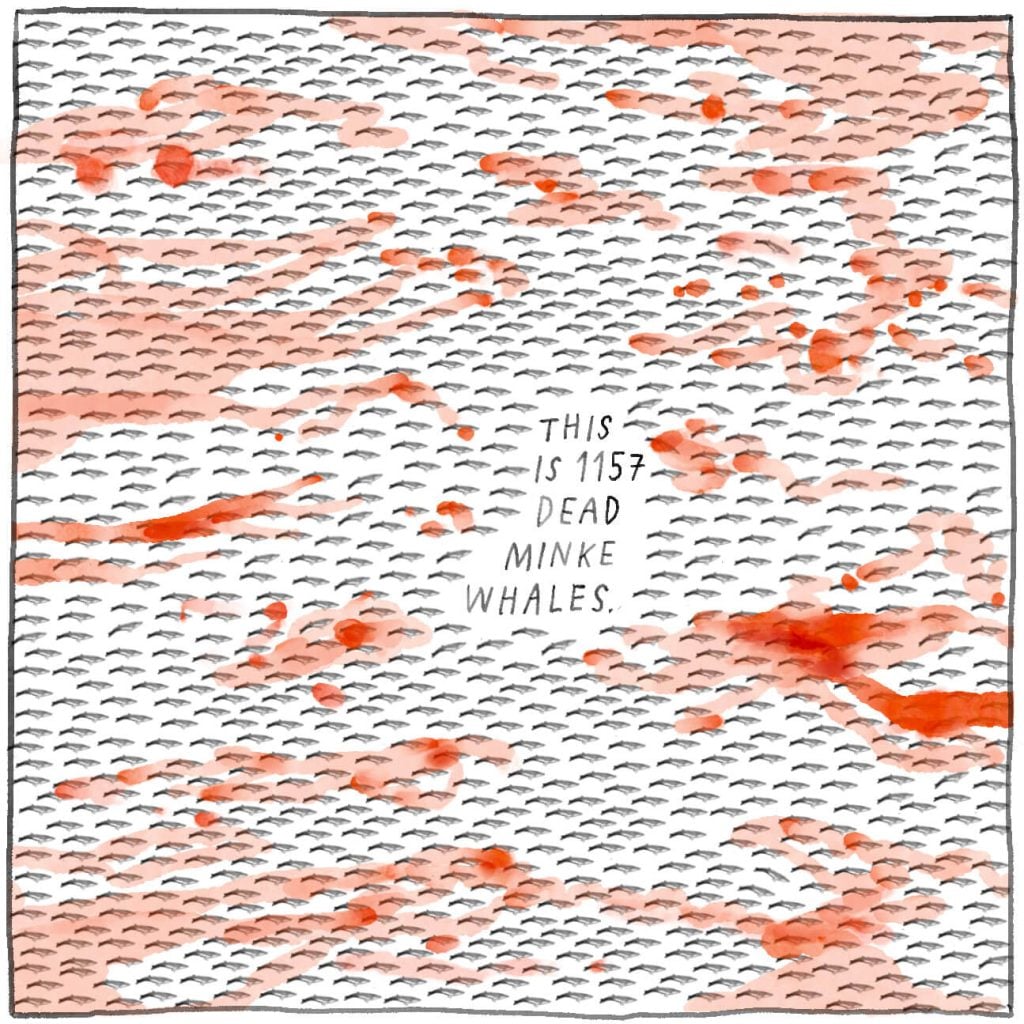
Whale hunts aren’t just cruel, they’re wasteful. Every year, hundreds of whales are slaughtered and it’s common for the whalers to remove prime cuts and then toss the rest of the carcass overboard.
In recent years, communities in northern Norway raised a public outcry against the dumping of whale remains.
The legal lowdown
Norway remains one of the few countries still hunting whales for profit, despite a global moratorium, or ‘ban’ on commercial whaling. So, how is it allowed?
International agreements and Norway’s position
Despite global efforts to protect whales, the Norwegian government exploits loopholes to bypass international agreements and continue whaling. Here are some of the key agreements they’ve managed to evade:
National Whaling Laws
The Norwegian government uses its national laws to override international agreements, rejecting some like CITES and the IWC commercial whaling ‘ban’. By claiming that whaling is sustainable, it prioritises national policies over broader biodiversity protection.
- Marine Resources Act: This legislation is a cornerstone of Norway’s sustainable marine resource management, covering fishing, whaling, and marine biodiversity
- Wildlife Act: Regulates the management and protection of wildlife species in Norway, including marine mammals like whales
Whale Wash (2023)
Check out this insightful documentary that exposes the realities of whaling in Norway. Whale Wash uncovers some of the myths behind the hunts, unveiling the cruelty.
Watch the full documentary and create a free account.
Tactics for impact
Real change happens when people come together. By nurturing grassroots activism and uniting those who want to protect whales, while harnessing the policy-changing power of politicians and lawyers, you can build a wave of change that will end whaling. Here's how to get started:
Maximise your online influence
- Create compelling content, such as infographics, videos, and personal stories, to talk about whaling. Make your message impossible to ignore
- Collaborate with influencers, activists, and local voices to amplify your message and reach wider audiences
- Harness the power of hashtags like #WaveOfChange and #StopWhalingNorway to reach wider audiences and encourage viral engagement
Mobilise your community
- Organise local events, film screenings, and public talks to educate and inspire action. Remember to request broadcasting licenses if you are showing a film!
- Host webinars featuring experts, campaigners, and members of coastal communities
- Empower future generations by talking with school groups about marine conservation and ethical tourism
Turn up the pressure on policymakers
- Contact MPs and local representatives with clear, evidence-based arguments against whaling
- Launch petitions and demonstrations to demonstrate public demand for policy change
- Get involved in local government consultations and encourage people to submit statements or attend meetings
Tools for change
Now that you’ve familiarised yourself with the truth behind the hunts and have some tips to start campaigning, we want to share some resources that will help you amplify your voice and strengthen your efforts. Just complete the form to go to our downloads page.
Support sustainable solutions
As an activist campaigning to end whaling, you can be part of the solution by supporting the shift from whaling to whale watching. The transition protects whales and also offers economic and ecological benefits for local communities and ecosystems.
Benefits of whale watching:
- Job creation and economic growth. In regions like Alaska and Iceland, whale watching provides more than a thousand jobs, contributing significantly to local economies
- Sustainable tourism. Responsible whale watching lets people experience whales in their natural habitat without exploiting or harming them, whilst also supporting local economies
- Conservation incentives: The whale-watching industry has the potential to foster a deeper appreciation for whales, encouraging support for their conservation, benefiting the environment and the economies of the communities it serves.
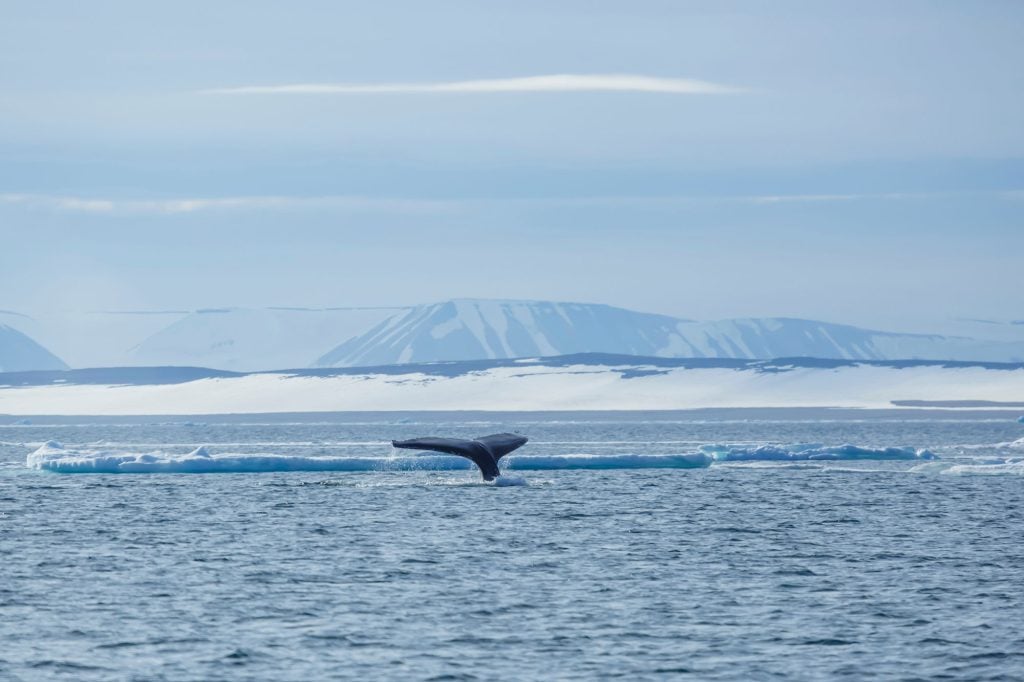
Check out our in-depth report about how whale watching can benefit people and whales provided it is carried out responsibly.
Connect with likeminded people
Campaigning to end whaling can feel overwhelming, but you are not alone. Together we are stronger - connect with others working towards the same goal. Here’s just a few of our Norwegian partner organisations:
Miljøpartiet de Grønne - MDG (The Green Party)
Miljøpartiet de Grønne - MDG (The Green Party)
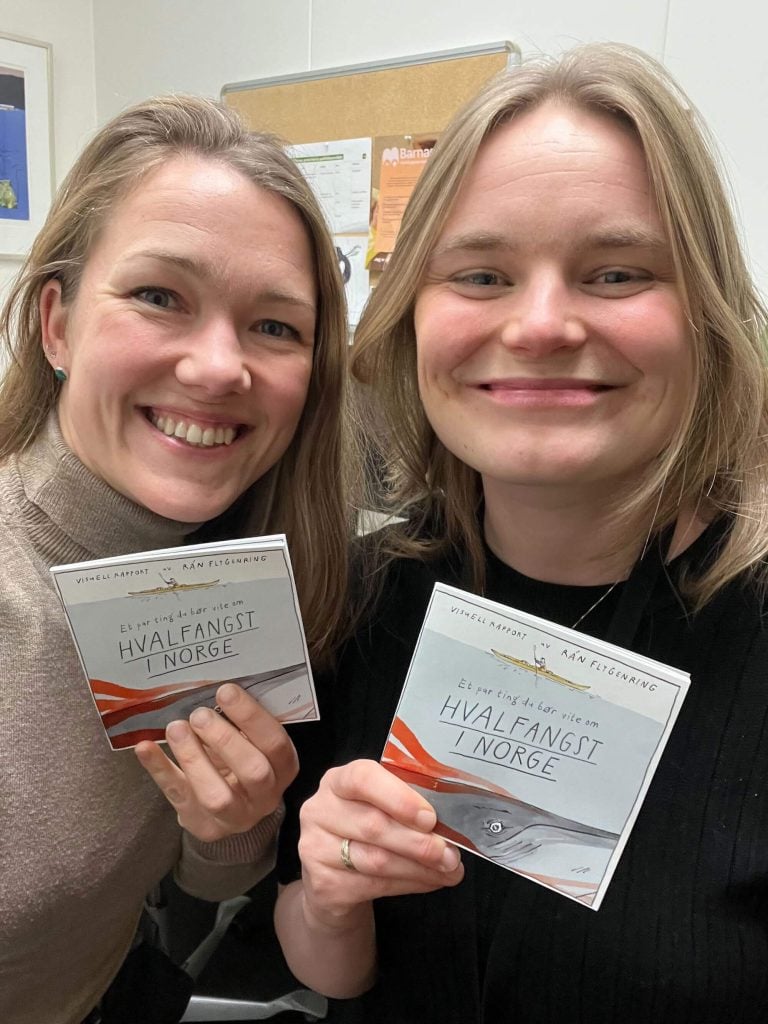
In 2021, MDG was the only Norwegian political party advocating for the phase-out of whaling, due to animal rights and environmental concerns. The party holds three parliamentary seats and has representation in municipal councils and county councils.
Rán Flygenring

Rán Flygenring
Rán is a Norwegian-Icelandic artist and author whose work mainly focuses on nature and environmental issues. A strong defender of whales in Iceland, Rán has spoken out against the whaling industry there, and in 2024 collaborated with us on a visual report on whaling in Norway.
World Saving Hustle
World Saving Hustle
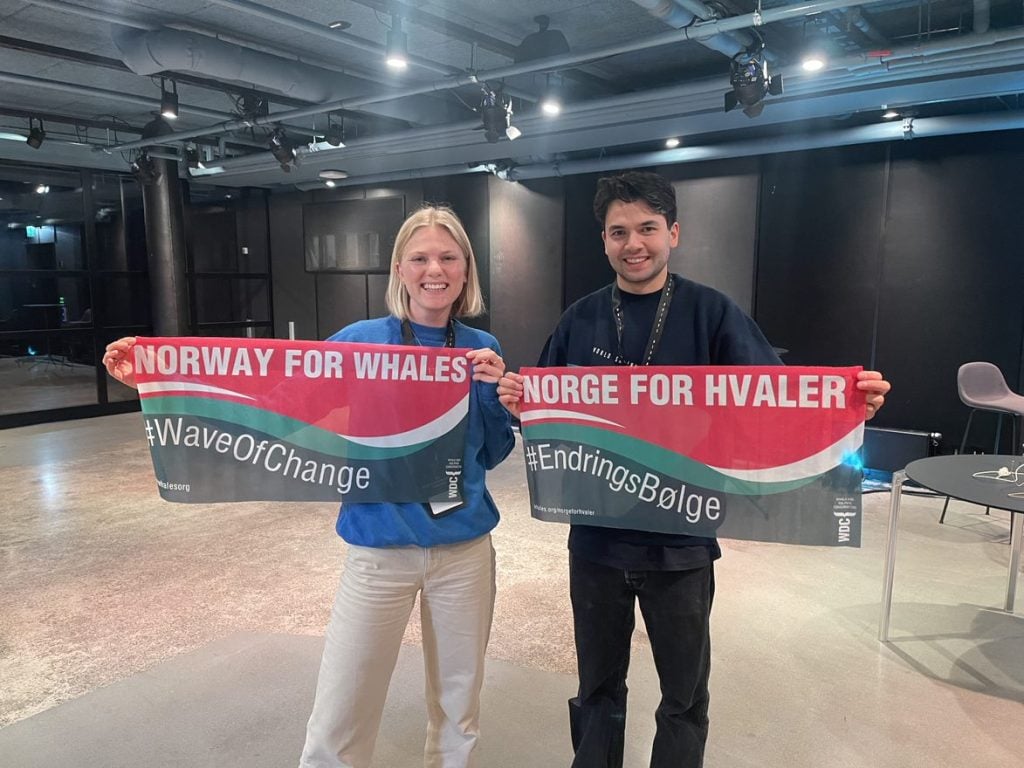
World Saving Hustle is a Norwegian networking and activism organisation dedicated to creating a better world by advocating for nature, animal, and human rights. They are committed to protecting whales by calling for an end to whaling.
Brim Explorer

Brim Explorer
Brim Explorer offers silent, sustainable, and innovative whale watching in Northern Norway. With hybrid-electric engines, their tours minimise noise and disturbance to marine life while educating tourists about the destructive practices of whaling and the importance of responsible whale watching.
NOAH
NOAH
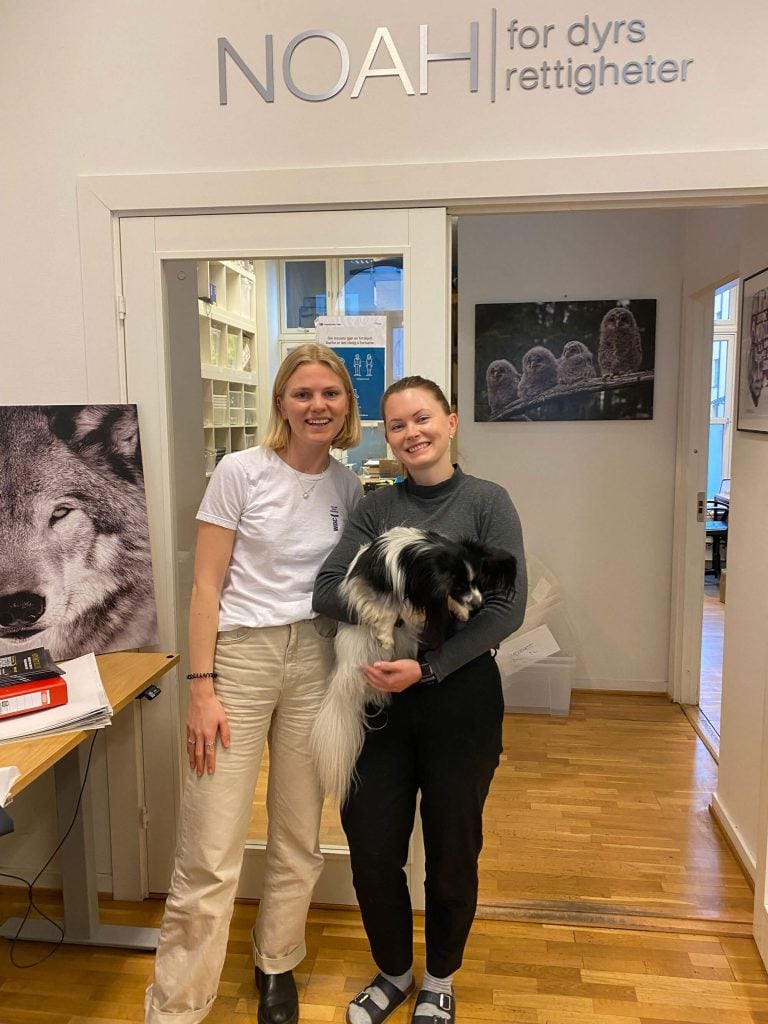
NOAH for Dyrs Rettigheter is a leading Norwegian animal welfare organisation with around 17,000 members. They have been at the forefront of the fight against whaling in Norway since it was reintroduced. Today, 50% of Norwegians consider whaling methods unacceptable.
Dyrebeskyttelsen Norge
Dyrebeskyttelsen Norge
Dyrebeskyttelsen Norge (The Norwegian Society for Protection of Animals) has promoted animal welfare since 1859. While primarily focused on family pets, they also help farm and wild animals and have long been an ally against Norwegian whaling.
Prioritising your wellbeing
Campaigning is hard work, especially when you’re dealing with emotional topics. It’s important to take time to reflect on its effects on your mental health and make self-care a priority.
Self-care for campaigners
- Acknowledge your emotions. Advocacy often involves confronting challenging and emotionally charged issues. Allow yourself to feel and process emotions such as frustration or sadness without judgement - journaling or talking to a trusted friend can help
- Seek support. Online therapy platforms like BetterHelp or local counselling services can provide guidance. Many advocacy organisations also offer mental health support for campaigners
- Set boundaries. Separate work from your personal life. Make time for loved ones, hobbies and activities that help you unwind
- Practise mindfulness. Incorporate meditation, yoga, or deep breathing into your routine to manage stress. Apps like Calm or Insight Timer can help integrate these practices into your day
- Stay active: Regular exercise, even light activities like walking or stretching, helps improve mood and reduce stress. Outdoor activities, such as hiking or swimming, offer an additional connection to nature, keeping you grounded
Avoiding burnout
- Prioritise and delegate. Focus on achievable tasks and share responsibilities. It’s ok not to do everything yourself—collaboration can enhance both effectiveness and sustainability
- Schedule breaks. Step away. Short walks, meals away from your workspace, or even a weekend off social media can recharge your energy
- Celebrate small wins. Advocacy work often involves long-term goals. Acknowledge small victories like increased community support or media coverage to stay motivated
- Build a support system. Connect with fellow advocates who understand the unique challenges of campaigning. Peer groups, mentorship networks, or online forums can offer a space for shared experiences and mutual encouragement
- Learn to say no. Overcommitting drains energy. Saying no to projects or tasks that exceed your capacity is essential to protect your focus on your priorities
- Remember the bigger picture. Systemic change takes time. Your efforts are part of a larger movement. Stay patient and remember not every victory is immediate. Adopting this mindset can reduce pressure and help you avoid feeling personally responsible for immediate outcomes.